Classic Slots Online UK: Formats, Rules and Play
 Available in GB
Explore three-reel formats, familiar symbols, online play options and the regulatory context surrounding classic slot games.
Table of Contents
- What Defines a Classic Slot in the UK
- Classic Three-Reel Slot Machines and Their UK Context
- Choosing a UK Casino Setting for Classic Slots
- Classic Slot Games: Formats, Rules and Regulatory Boundaries
- How Classic Slots Can Be Played Online
- Real-Money Classic Slots and UK Compliance
- What “Classic Slot UK” Means in Practice
- Free Classic Slots Without a Cash-Stake Focus
- Classic Fruit Slots and the British Pub Tradition
- Classic Slot Machine Symbols and What They Represent
What Defines a Classic Slot in the UK
A classic slot is defined less by a specific title than by a recognisable design language. Its structure is deliberately direct: a small number of reels, a limited visual field, familiar iconography and an outcome that can be understood without navigating several layers of features. In the UK, the phrase is generally used descriptively rather than as a single legal classification. It identifies a style of slot game, not a distinct regulatory category.
The traditional reference point is the three-reel layout. 3 reel classic slots present three vertical reels, with symbols arranged in a compact line-based display. This format creates a strong visual connection between the position of the symbols and the result of a spin. Compared with more elaborate modern designs, the arrangement is easier to read because fewer reels and visible positions are involved.
That simplicity is central to the meaning of a classic slot. A classic slot usually avoids a crowded interface in favour of a small set of clearly separated controls and information fields. The display may show the reels, the stake setting, the available balance, and the result of the latest spin. The essential sequence remains easy to identify: a stake is selected, the reels are set in motion, and the final arrangement is assessed according to the game’s rules.
This selection highlights UK-licensed operators for players exploring classic slots online in the UK in 2026. Use the listed bonus, payout, and minimum-deposit details as a quick guide when reviewing your options.
License: UKGC Operator Licence · Bonus: £100 bonus · Payout speed: Within 24 hours · Min. deposit: £10 A UKGC-licensed operator offering a £100 bonus, payouts within 24 hours, and a £10 minimum deposit.
License: UKGC Operator Licence · Bonus: £200 welcome bonus · Payout speed: Within 48 hours · Min. deposit: £10 A UKGC-licensed operator with a £200 welcome bonus, payouts within 48 hours, and a £10 minimum deposit.
License: UKGC Operator Licence · Bonus: £100 bonus · Payout speed: Within 24 hours · Min. deposit: £10 A UKGC-licensed operator offering a £100 bonus, payouts within 24 hours, and a £10 minimum deposit.
License: UKGC Operator Licence · Bonus: £50 bonus · Payout speed: Within 48 hours · Min. deposit: £10 A UKGC-licensed operator with a £50 bonus, payouts within 48 hours, and a £10 minimum deposit.
License: UKGC Operator Licence · Bonus: £100 bonus · Payout speed: Within 24 hours · Min. deposit: £10 A UKGC-licensed operator offering a £100 bonus, payouts within 24 hours, and a £10 minimum deposit.
License: UKGC Operator Licence · Bonus: £20 bonus · Payout speed: Within 48 hours · Min. deposit: £10 A UKGC-licensed operator with a £20 bonus, payouts within 48 hours, and a £10 minimum deposit.
The three-reel tradition
The three-reel format is often treated as the defining visual model for classic slots, although the term can also be applied more broadly to games that preserve the same restrained character. The important distinction is not merely the number of reels. It is the relationship between the reel layout, the limited number of symbols and the absence of a heavily layered feature system.
In a traditional arrangement, each reel contributes to a visible combination. The result is read from the symbols displayed across the game’s designated line or lines. This gives the game a compact mathematical and visual structure. There is less emphasis on expanding grids, animated sequences or multiple stages of play, and more emphasis on the immediate relationship between the reels and the outcome.
The label classic slots UK therefore describes a recognisable format rather than a guarantee that every game using the label has identical rules. One game may use three reels, while another may borrow the same visual language in a digital layout with additional positions. The term remains useful when it indicates the overall design approach: traditional presentation, limited complexity and a strong focus on reel combinations.
Straightforward layouts and symbols
A straightforward layout allows the principal information to remain visible at once. The reels occupy the centre of the interface, while the controls and pay information are placed around them. This design supports quick recognition of the game’s basic operation. It also distinguishes classic online slots from games whose presentation depends heavily on menus, event screens or extended animations.

Symbols perform an important communicative role. In a classic slot, they are generally designed to be identified at a glance and separated clearly from one another. Their visual function is to create combinations across the reels and to make the result legible after the spin. The symbols are therefore part of the format’s identity, not merely decoration.
The presence of familiar imagery does not, by itself, establish a particular rule or payout. A symbol’s meaning depends on the paytable and other rules of the individual game. Without verified information for a named title, it is not possible to assign specific symbols a fixed value or to state that a particular image always represents a particular outcome. The broader point is structural: classic slots use a concise visual vocabulary so that the reel result remains the main object of attention.
Limited complexity as a design principle
Classic slots are often distinguished from newer slot formats by what they leave out. Their identity is associated with fewer visible elements, fewer simultaneous features and a more concentrated presentation. This does not mean that every game in the style has identical mathematics or that every interface is physically simple. It means that the player-facing design places the reels and their combinations at the centre.
That distinction matters when the format is presented online. Classic slots online reproduce the visual logic of a reel-based game within a digital interface. The screen may add standard software controls, but the underlying impression remains traditional when the reels, symbols and result are more prominent than layered bonus systems or elaborate narrative presentation. Online classic slots UK is consequently a descriptive phrase for digital games offered in this style, not a statement that all such games belong to one official classification.
The term “classic” refers to a specific design language and format, rather than a single legal or regulatory classification in the UK.
The phrase classic slots online UK 2026 can be understood in the same way. It points to traditional-looking slot games available through an online setting in the UK market, while the word “classic” refers to design and format. It does not, by itself, establish the game’s licensing status, technical specifications, return characteristics or permitted venue. Those matters require separate evidence and should not be inferred from the visual label.
A classic slots game is therefore best identified through a combination of features: a compact reel display, a traditional three-reel reference point, readily distinguishable symbols and rules that can be understood from the central screen and pay information. These features describe the game’s presentation and structure. They do not replace the formal categories used for UK gambling regulation, nor do they determine how a particular product may be supplied.
The enduring appeal of the format lies in this economy of design. The game communicates its central action through a small number of visual elements, keeping attention on the relationship between the reels and the resulting combination. That relationship is what gives classic slots their distinctive character across both physical-looking interfaces and digital versions, without requiring the term to carry a separate legal meaning.
Classic Three-Reel Slot Machines and Their UK Context
A classic three-reel slot machine is best understood as a reel-based game with a deliberately simple visual structure. The reference to three reels describes the familiar arrangement in which symbols appear across a compact set of vertical reels, rather than the more elaborate layouts associated with many modern digital games. The term “classic” also signals a traditional presentation: a small playing area, recognisable reel movement, and rules that can be understood without a complex feature map.
That description concerns game form, not legal status. In the United Kingdom, a machine is not placed into a regulatory category merely because it has three reels, traditional symbols, or a design resembling an older pub machine. Gaming machines are categorised according to the maximum stake and prize available. The same visual design can therefore have different regulatory implications depending on where it is offered and what financial limits apply.
A three-reel design is not a legal category
The phrase “classic slot machine” is widely used to describe a style of game, including both physical machines and digital recreations. It is not one of the UK’s statutory gaming-machine categories. The recognised categories are A, B1, B2, B3, B3A, B4, C, and D. These categories establish the regulatory framework for machines made available in licensed premises and other permitted settings.
Category A machines are the only machines with unlimited stakes and prizes. This does not mean that every game with a traditional reel layout belongs to Category A. The category depends on the machine’s permitted stake and prize structure, not on whether its appearance resembles a classic three-reel game.
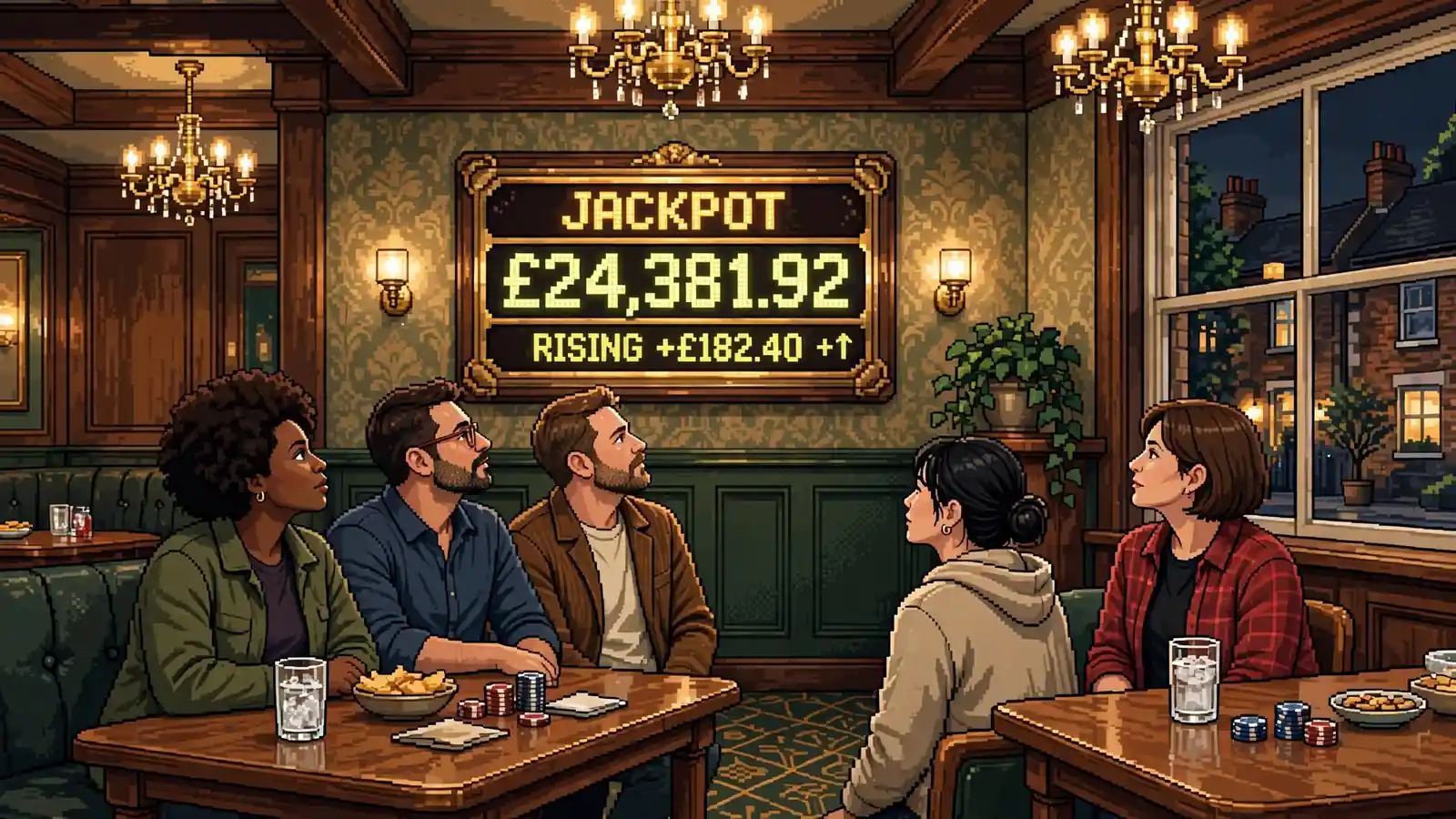
Category C has a closer connection with the traditional British image. Category C machines are the classic British pub fruit machine, with a maximum stake of £1 and a maximum prize of £100. A machine with a three-reel presentation may therefore resemble the familiar pub format, but its classification is determined by the applicable machine rules rather than by the label “classic”.
The classic British pub fruit machine, with a maximum stake of £1 and a maximum prize of £100.
Low-stake machines such as fruit machines, coin pushers, or crane grabs.
Physical machines and online games
An online game styled as a classic three-reel machine is a digital interface. It may reproduce the visual language of a physical reel-based machine, including spinning reels and a compact layout, but it is not automatically a Category C machine simply because the screen imitates that format. A regulated gaming machine is a legal and technical object placed in an authorised setting. An online classic slot is a remote gambling product offered through an online gambling service.
The distinction matters because appearance alone cannot establish the applicable rules. A digital game presented as a slot machine should not be treated as a physical Category C machine, just as a physical machine cannot be reclassified by giving it an online-style design. The relevant questions are the product’s legal form, the manner in which it is supplied, and the regulatory framework governing that supply.
This also separates several expressions that are often used interchangeably in casual writing. “Classic slot machine games” can refer to digital games designed to resemble traditional reels, while “classic slot machines” can refer to physical gaming machines. “Classic slots real money” may describe either context in ordinary language, but the legal analysis cannot remain at the level of visual resemblance. A real-money online game and a machine in a pub are different forms of gambling product, even where the displayed reels look similar.
The pub-machine reference point
The Category C definition provides the clearest UK reference point for a classic fruit-machine style. It connects the traditional pub setting with a defined machine category, a maximum stake of £1, and a maximum prize of £100. That connection should not be expanded into a general claim that every traditional-looking machine in a UK venue is Category C. The category remains dependent on the machine’s regulated characteristics.
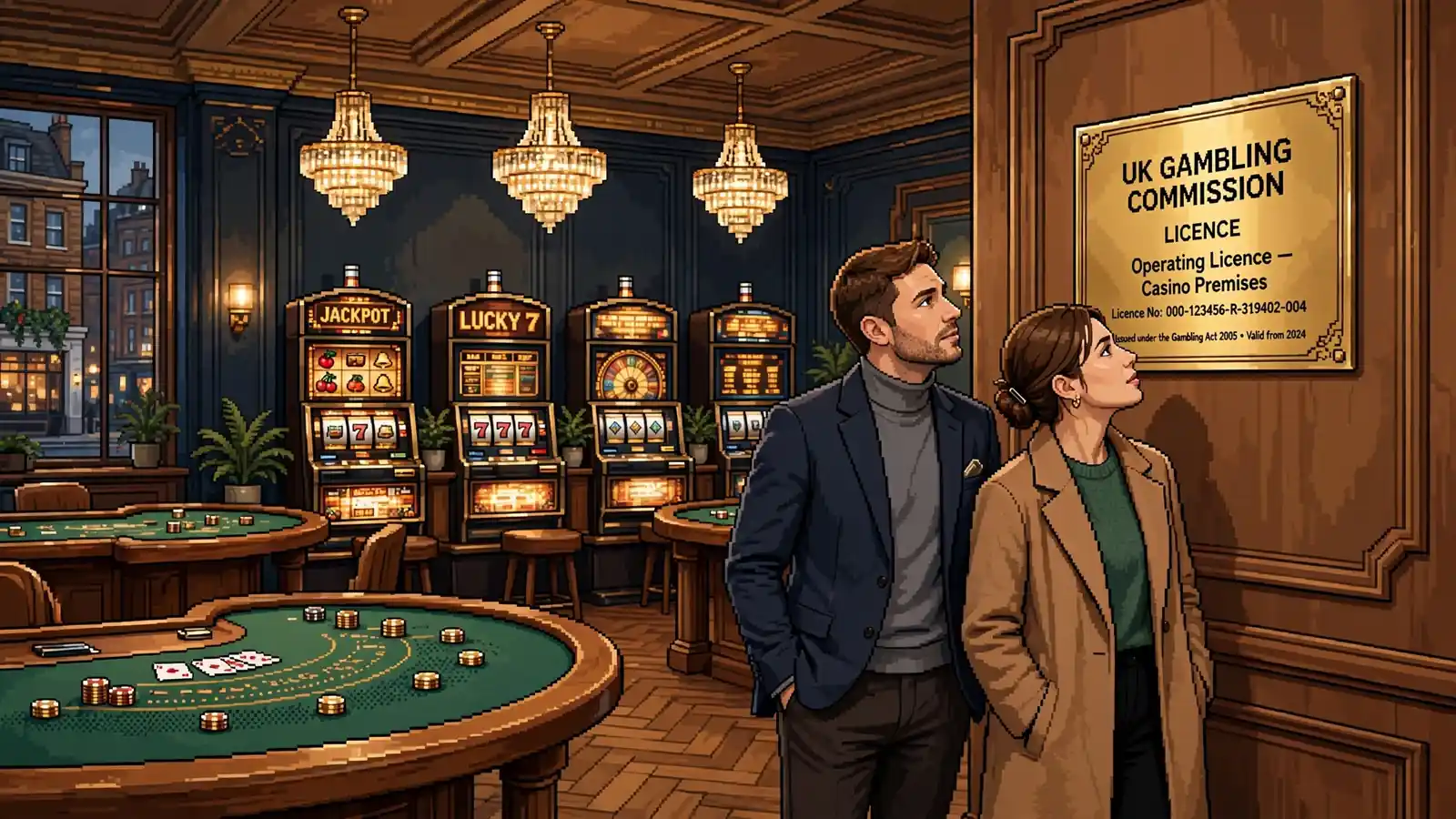
An alcohol-licensed pub is automatically entitled to up to two Category C or D machines if it notifies the local licensing authority. This entitlement concerns the permitted provision of those categories in the relevant premises; it does not turn every reel-based game offered online into a pub machine. Category D machines form a separate group and are generally low-stake fruit-machine style machines, coin pushers, or crane grabs. They also have no age restriction, unlike the adult restriction attached to Category C machines.
The contrast illustrates why a visual description is insufficient. A fruit-machine style can occur across different products, while the legal category determines the conditions under which a physical gaming machine may be made available. Traditional appearance, three-reel presentation, and pub association are related ideas, but they are not interchangeable legal tests.
Why the distinction matters online
Digital versions of classic slot machine games can reproduce the atmosphere of a traditional machine without being physical gaming machines. Terms such as “online classic slots real money” and “free online classic slot games” describe different modes of access to a digital product, not separate UK machine categories. A free version may imitate the same reel layout without involving a cash stake, while a real-money online version belongs to the regulatory framework for remote gambling rather than the framework for pub gaming machines.
Accordingly, “classic” identifies a design tradition, and “three-reel” identifies a format. Neither term, by itself, establishes a machine category, a permitted venue, or a stake-and-prize limit. In the UK context, those questions must be answered through the applicable gaming-machine classification or, for an online product, through the rules governing remote gambling.
Choosing a UK Casino Setting for Classic Slots
The availability of a regulated gaming machine in Great Britain depends first on the premises in which it is located. A casino is therefore not interchangeable with a betting shop, bingo premises, adult gaming centre, pub, club or licensed family entertainment centre. Each setting has its own permitted categories, and the phrase “best classic slots casino UK” cannot be assessed responsibly without distinguishing venue eligibility from game preference.
Casino Eligibility Can host Categories B1, B2, B3, and C
Betting Shops & Tracks Can host Categories B2, B3, and C
Bingo Premises Can host Categories B3, B4, and C
Adult Gaming Centres Can host Categories B3, C, and D
The same traditional machine style may be described informally as a classic slot, while its legal availability depends on the category assigned to the gaming machine and the permissions attached to the premises. This makes the venue a regulatory question rather than a ranking exercise. Verified information does not establish a list of the best classic slots sites, the best classic slots casinos, or particular operators associated with these machines. It does establish where specific categories may be made available.
Casinos and category permissions
Casinos have the broadest relevance to several regulated machine categories. Category B1 gaming machines can only be made available in casinos. A casino is also among the premises where Category B2, B3 and C gaming machines may be located.
Category B2 machines may be located in casinos operating under the 2005 Act and in casinos operating under the 1968 Act. The same category may also be found in betting shops and tracks with pool betting. Category B3 machines may be made available in casinos, betting shops, tracks with pool betting, bingo premises and adult gaming centres. Category C machines may be made available in casinos as well as a wider range of licensed premises.
These permissions do not mean that every casino offers every permitted category. Eligibility describes what may be located at a premises; it does not establish that a particular operator has installed a machine, that a particular classic-style game is available, or that a venue provides an online casino service. No verified data identifies particular casinos or their machine inventories.

Other premises with relevant permissions
A betting shop can be relevant to Category B2, B3 and C machines, while a track with pool betting may also accommodate those categories. Bingo premises may offer Category B3, B4 and C machines. Category B4 machines can also appear in clubs and adult gaming centres.
An Adult Gaming Centre licence permits unlimited Category B3, C and D machines. This describes the scope of the licence, not a guarantee that every permitted machine type will be present at each venue. The category remains the legal reference point, even where a premises uses informal language such as fruit machine or classic slot.
Pubs and other alcohol-licensed premises occupy a narrower position. After notifying the local licensing authority, they are automatically entitled to two Category C or D gaming machines. The entitlement concerns the number and category of machines that may be made available; it does not identify their game content or establish that they are suitable for a particular description of classic slots.
Licensed family entertainment centres may also make Category C machines available. Their inclusion in the permitted premises list does not turn the venue into a casino, and it should not be treated as evidence that casino-style products are offered there. The legal setting and the machine category remain separate questions.
Why venue labels are insufficient
Search terms such as “best classic slots casino”, “best online classic slots casino” and “classic slots for real money” combine several different ideas: a game style, a venue, and a method of play. The verified premises facts address only where regulated gaming machines may be located. They do not support a ranking of online operators, a list of recommended brands, or a conclusion that one venue is better than another.
Essential Differences
- A casino’s authorisation to host certain machines does not guarantee its website offers those same games.
- Online services are regulated under remote gambling frameworks, not land-based machine categories.
- Visual resemblance to a physical machine does not determine its legal status or regulatory rules.
The distinction is particularly important when a physical gaming machine is compared with an online classic slot. A casino may be authorised to make certain gaming machines available, but that fact alone does not demonstrate that its website offers the same games. Conversely, an online service is not established merely because a similarly named machine category is permitted in a land-based casino.
Claims about “free classic slots no download” or “free online classic slots no download” also fall outside the premises evidence. Those descriptions concern a digital play format, whereas the permissions listed here concern physical premises and regulated gaming machines. They should not be used as evidence of venue eligibility.
A compliance-led way to compare settings
A reliable comparison begins with the premises type, then checks the relevant category permission. Casinos are the only listed setting for Category B1 machines and are also permitted locations for Categories B2, B3 and C. Betting shops and tracks with pool betting may host Categories B2, B3 and C. Bingo premises may host Categories B3, B4 and C. Adult gaming centres may host Categories B3, C and D under the relevant licence. Pubs and other alcohol-licensed premises may use their automatic entitlement to two Category C or D machines after notifying the local licensing authority.
This framework does not determine which setting contains the most appealing classic-style game. It establishes only whether a category is permitted in a particular kind of venue. Any further claim about a named casino, online site, operator, game selection or player experience would require evidence not available here.

Classic Slot Games: Formats, Rules and Regulatory Boundaries
Classic slot games are best understood as a format rather than as a single legal category. The label can describe a simple reel-based interface, a fruit-themed design, or a digital casino game that reproduces the visual language of older machines. UK regulation, however, does not classify a gaming product by appearance alone. The relevant boundaries depend on the machine category, its stake and prize structure, its location, and the way its outcome is determined.
A classic casino slot game offered online is therefore not automatically equivalent to a physical gaming machine. The same visual design may be presented through different regulated arrangements. A digital interface can resemble a traditional machine while remaining distinct from a gaming machine installed in licensed premises. Conversely, a physical machine with a familiar reel layout must comply with the rules attached to its category.
Formats associated with classic slot games
The classic format is generally associated with a compact layout, reel-based play, and a relatively direct relationship between the selected stake and the resulting outcome. A classic fruit slot game uses the same broad visual convention, with fruit imagery and other traditional symbols serving as the central design language. These descriptions identify presentation and play structure; they do not determine the machine’s legal classification.
The term can also cover free versions of a digital game. In that setting, the interface may reproduce the appearance of a traditional gaming machine without involving a cash stake or a regulated physical machine. The format remains recognisable, but the legal analysis changes because the relevant product is not being described solely by its visual resemblance to a pub or casino machine.
Physical gaming machines are classified according to the maximum stake and prize available. That principle is more significant than the informal label attached to the game. A machine presented as a traditional fruit game may fall within a different category from another machine with a similar layout if the permitted stake, prize, location, or technical operation differs.
Machine Limits and Types
Category B3A
Has a maximum stake of £2 and a maximum prize of £500, limited to lottery-style games.
Category D
Covers various configurations including low-stake fruit machines, coin pushers, and crane grabs.
AWP Machines
Amusement With Prizes machines allow a 10p stake and a cash prize of up to £5.
Stake and prize boundaries
The verified rules provide several examples of how technical limits shape the available format. Category B3A gaming machines have a maximum stake of £2 and a maximum prize of £500. Their game type is limited to lottery-style games, and the outcome is predetermined by the virtual lottery ticket selected when the game starts. A product with a classic reel-like presentation cannot be treated as an unrestricted slot merely because it uses familiar visual features if its regulatory classification is B3A.
Category D also covers more than one machine configuration. These gaming machines have five different combinations of stake and prize. Some are low-stake fruit machine-style machines, while others include coin pushers or crane grabs. Some Category D machines are designed or adapted to play bingo as a prize game. Travelling fairs may site any number of Category D gaming machines, subject to the applicable requirements for those machines and premises.
Money-prize AWP machines provide another defined example. They allow a 10p stake and a cash prize of up to £5. The term AWP, or Amusement With Prizes, is therefore more precise than a broad description such as “prize machine”. A game with a simple, traditional layout may resemble a classic slot, but its regulated description depends on the machine’s permitted operation rather than its design vocabulary.
Return information and technical controls
Return information is also part of the regulatory boundary. B1 machines have no minimum RTP requirement, but the minimum average return must be displayed to the player. This requirement distinguishes the presentation of return information from the existence of a guaranteed return level. A displayed figure describes the required machine information; it does not transform a classic slot into a separate category.

The broader machine framework also requires technical controls before placement. Gaming machines must carry a Technical Standards Certificate. Categories B1, B2, B3, and B3A must be tested by an independent test house, while B3A gambling products must be tested before market release. For categories B1, B2, B3, and B3A, the displayed RTP value must be verified by the manufacturer or an accredited test house. These requirements concern the machine and its operation, not the marketing name used for its game format.
Lottery products and gaming machines
A lottery ticket vending machine illustrates the boundary between a gambling product and a gaming machine. It must not require skill or gameplay. It must also avoid determining the lottery outcome or displaying the result within less than one hour. These conditions prevent the vending machine from being classified as a gaming machine under the stated rule.
That distinction matters when comparing lottery-style products with classic slot games. A game that presents an immediate, machine-determined result is not equivalent to a lottery ticket vending process simply because both involve chance. The method of determining and displaying the outcome is legally relevant.
Consequently, “classic slot games” is a useful descriptive term but not a complete regulatory answer. The format may be reel-based, fruit-themed, casino-oriented, or available in free play, while the applicable boundaries arise from the machine category, stake, prize, return information, testing, and outcome mechanics. These features must be considered separately from the game’s visual identity.
How Classic Slots Can Be Played Online
Playing a classic slot online means using a digital game interface rather than operating a physical gaming machine in a land-based venue. The distinction is practical as well as descriptive. An online game is presented through a website or another remote gambling interface, while a machine in a pub, casino, betting shop, or other premises is a tangible gaming machine subject to the category and siting rules applicable to that location.
Remote Gambling
Digital games accessed via the internet, which are subject to specific regulatory frameworks for remote gambling rather than land-based premises rules.
The online interface normally reproduces the recognisable structure associated with classic slot play: reels or reel-like columns, a limited visual layout, symbols, and controls for starting an individual game. These elements are displayed on a screen and operated through digital controls. The fact that the interface resembles a traditional machine does not turn the online product into a physical gaming machine. It remains a remote gambling activity when offered online to consumers in Great Britain.
A digital version may therefore be described as a classic slot because of its presentation and game structure, without implying that it belongs to a particular land-based category. Terms such as “classic”, “reel-based”, and “machine-style” describe aspects of the interface or format. They do not, by themselves, establish the legal classification of the product or the premises on which a physical equivalent could be placed.
The online play format
The essential difference is the point at which the game is accessed. In a land-based setting, the machine is installed at licensed or otherwise eligible premises and forms part of the equipment available there. Online, the game is accessed remotely through an internet-connected device. The screen provides the playing surface, and the software presents the game state and its outcome.
This format also separates the digital product from a machine’s physical features. An online version does not require a coin mechanism, cabinet, buttons, or a premises-based machine licence. Nor does a visual resemblance to a fruit machine establish that the online game has the same category, stake, prize, or siting conditions as a Category C or Category D gaming machine.

The phrase “play classic slot online” is consequently best understood as a description of access and presentation, not as a reference to one verified title or operator. The available information does not identify particular online classic-slot games, software providers, or brands. Any account of the online format should therefore remain general: a digital interface can reproduce traditional visual conventions, but its specific rules and availability depend on the product and the applicable remote gambling framework.
Real-Money Classic Slots and UK Compliance
Real-money classic slots in the UK are not merely digital recreations of traditional reel-based games. When money can be staked and a prize can be won, the product falls within a regulated gambling framework. Online gambling supplied to consumers in Great Britain requires a UK Gambling Commission (UKGC) remote operating licence, regardless of where the operator is based. The Gambling Act 2005 provides the primary legislative framework, while the UKGC maintains a public register of current operating and personal licences.
A licence does not make every gambling product identical. The relevant controls depend on whether the offering is an online gambling product or a gaming machine made available at licensed premises. For premises-based machines, classification is determined by the maximum stake and prize. Category B1 machines have a maximum stake of £5 and a maximum prize of £10,000. A B1 machine may also have a linked progressive jackpot of up to £20,000 on a premises basis, subject to the applicable regulatory conditions.
B1 machines have a specific transparency requirement: there is no minimum RTP requirement, but the minimum average return must be displayed to the player. This distinction matters because a displayed return is not the same as a statutory guarantee of a particular outcome for an individual play.
Regulatory Compliance
Always verify an online operator’s status via the UKGC public register to ensure they hold a valid remote operating licence.
Compliance also includes technical controls. Gaming machines must carry a Technical Standards Certificate before placement, and B1, B2, B3 and B3A machines must be tested by an independent test house. The displayed RTP for the relevant categories must be verified by the manufacturer or an accredited test house. These requirements concern the machine and its approved operation, not the informal label “classic”.
For online real-money play, the operator’s status is therefore central. The UKGC register can be used to check the operator name or licence number and confirm that the listed domain matches the service being offered. The general legal gambling age in the UK is 18, and UKGC applicants must also be at least 18. Where those conditions are absent, the product should not be treated as a compliant UK gambling offering.
What “Classic Slot UK” Means in Practice
In the UK, “classic slot” is an informal description rather than a formal machine category. It commonly refers to a traditional fruit-machine style: a simple layout, familiar reel-based presentation and a direct stake-and-prize structure. The legal classification is different. UK gaming machines are identified by category, with the permitted stake, prize and location determining the regulatory position.
The closest established UK example is the Category C machine. Category C machines are the classic British pub fruit machine, with a maximum stake of £1 and a maximum prize of £100. This makes Category C more precise than the broad phrase “classic slot UK” when the subject is a physical machine in a licensed pub or another permitted setting. The word “classic” describes the style; Category C identifies the regulated machine type.

Category D covers another part of the traditional low-stakes landscape. These gaming machines are generally fruit-machine style machines, coin pushers or crane grabs. The category therefore includes formats that may look familiar in amusement or leisure settings but do not all operate like a reel-based fruit machine. A crane grab, for instance, belongs to the same regulatory category without representing the conventional fruit-machine format.
This distinction matters because visual appearance and legal status are not interchangeable. An online game may reproduce a traditional fruit-machine aesthetic while remaining a digital gambling product, not a physical Category C or Category D machine. Conversely, a physical machine described informally as a classic slot must still be assessed according to its UK gaming-machine category and the rules attached to that category.
Thus, the UK meaning combines cultural language with a specific regulatory vocabulary: “classic” signals tradition, while Category C or Category D determines the machine’s formal context.
Free Classic Slots Without a Cash-Stake Focus
Free play changes the nature of a classic slot experience. A digital game used without a cash stake can reproduce familiar reel-based presentation, simple layouts and traditional visual conventions, but it does not create the same financial conditions as real-money gambling. The absence of a cash stake is therefore a substantive distinction, not merely a different payment option.
In a free-play setting, any displayed result is part of the game interface rather than an event connected to a monetary wager. This can make the format useful for understanding how the reels, symbols and winning combinations are presented. It may also allow the traditional character of a classic slot to be considered separately from questions about deposits, withdrawals and gambling controls.
Is a classic slot a legal category?
No, “classic” is a descriptive term for a design style; legal status is determined by machine categories (A, B, C, or D).
What defines a Category C machine?
It is the traditional British pub fruit machine with a maximum stake of £1 and a maximum prize of £100.
Can free online slots be used for real money?
No, free play versions are distinct from real-money products, as the latter require a specific regulatory framework and licensing.
The two contexts should not be treated as interchangeable. A free classic slot does not establish that a corresponding real-money product is available, nor does it demonstrate how a regulated gambling service operates. Real-money online gambling in Great Britain requires a remote operating licence, while the free version is being considered here specifically without a cash-stake focus. The licence status of a real-money offering must therefore be assessed independently rather than inferred from the existence of a free interface.
No verified game titles are available for inclusion in this section. Accordingly, the free-play category is described by its function and financial context rather than through a list of named games. The distinction remains clear: free play concerns non-cash interaction with a classic-style game, whereas real-money play concerns a gambling product offered under the applicable regulatory framework.
Classic Fruit Slots and the British Pub Tradition
The expression classic fruit slot is closely associated with the traditional British pub fruit machine. In regulatory language, however, the relevant term is Category C gaming machine. This category identifies a specific gaming machine permitted in particular licensed premises, rather than a general visual style used by online games.
Category C machines are described as the classic British pub fruit machine. Their regulated limits are a maximum stake of £1 and a maximum prize of £100. These limits are part of the machine category’s legal definition and distinguish it from other gaming-machine categories. The fruit-machine label therefore carries both a cultural meaning, linked to pub entertainment, and a regulatory meaning when it refers to Category C equipment.
The pub setting is also defined by premises rules. An alcohol-licensed pub is automatically entitled to up to two Category C or Category D machines when it notifies the local licensing authority. This entitlement does not mean that every pub must provide a fruit machine, nor does it turn every machine found in a pub into a Category C machine. The category depends on the applicable rules governing the equipment and its permitted placement.
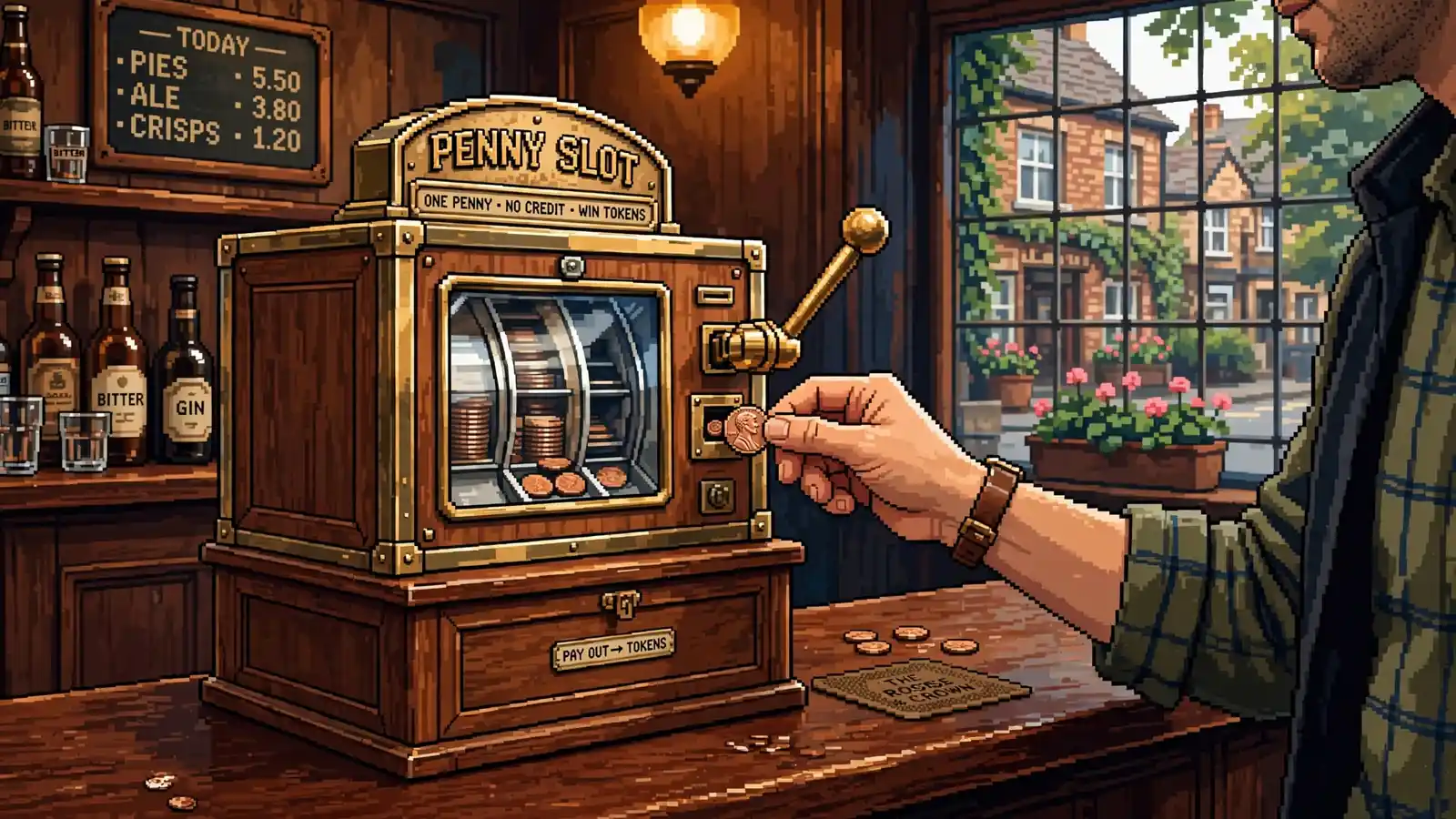
The term “fruit” describes the familiar identity of this type of machine, but it should not be treated as a complete legal classification. A digital game presented with fruit imagery may resemble a traditional pub machine without being a Category C gaming machine. Conversely, a regulated Category C machine is identified by its statutory category and limits, not only by its artwork or interface.
This distinction matters when comparing pub fruit machines with online classic slots. The shared visual language may suggest continuity, but the physical venue, machine category, stake limit and prize limit belong to the regulated British pub context.
Classic Slot Machine Symbols and What They Represent
Symbols are among the clearest visual features of a classic slot machine. They provide the game’s immediate vocabulary: each reel position presents an image, and the arrangement of those images forms part of the game’s visual identity. In a traditional design, the symbols are generally easier to read than the layered interfaces associated with more elaborate digital games. Their function is therefore descriptive as well as operational.

The term “classic slot machine symbols” does not, however, identify a regulated machine category. UK regulation classifies gaming machines according to matters such as the maximum stake and prize available, not according to whether the display uses traditional imagery. A machine with a simple reel-based appearance must still be considered under the relevant category when its legal status is assessed.
Symbol design can also suggest a particular style without proving the rules of a game. Images associated with fruit-machine culture may indicate a traditional presentation, but they do not establish the stake, prize, return, or permitted location. Those details depend on the machine’s rules and regulatory classification. Visual familiarity is not evidence of a particular payout structure.
The same distinction applies online. A digital interface may reproduce the appearance of reels and conventional symbols, yet its presentation does not turn it into a land-based gaming machine. Nor does a symbolic theme alone establish that a product belongs to a specific UK category.
Because the verified information does not provide a catalogue of symbol sets, individual symbols should not be assigned fixed meanings or payouts here. Their significance is best understood at the level of format: they make the result legible, reinforce the traditional visual language, and separate classic presentation from more complex game interfaces. Regulatory conclusions require evidence beyond appearance.
Prepared by the Casinouk Bonuses Guide editorial staff.